


Background
America’s transit agencies face a defining challenge: renewing aging infrastructure while sustaining reliable service and preparing for the next generation of investment. The Federal Transit Administration (FTA) and Volpe Center’s Transit State of Good Repair National Backlog Analysis, published in January 2025, estimated the national SGR backlog at $140.2 billion in 2022 dollars, compared with $101.4 billion in 2018 dollars. Inflation accounted for approximately 48 per cent of the increase, alongside asset deterioration and changes in asset inventory data. These estimates underline the need to protect purchasing power and translate investment into measurable improvements in asset condition.
The challenges extend across fleets, infrastructure and essential operating systems. The same analysis estimated that 21.7 per cent of systems assets by value were in poor condition, while 18.8 per cent of rail vehicles fell below the modelled SGR threshold. Signals, communications, traction power, rolling stock and other critical assets require coordinated renewal strategies that address their interdependencies and the consequences of failure.
The federal funding landscape is also entering a consequential transition. FTA announced $20.6 billion in FY 2026 funding across its public transportation programs. With the Infrastructure Investment and Jobs Act’s original FY 2022–2026 authorisation period complete and surface transportation authorizations extended through December 11, 2026, agencies must navigate the next funding framework while maintaining credible, affordable capital programs. The outlook for reauthorization, annual appropriations, formula funding and competitive grants will be central to SGR planning in 2027.
Asset management is entering a new implementation phase. Following the October 1, 2026 TAM plan update deadline, agencies must turn refreshed inventories, condition assessments and investment priorities into funded projects, maintenance programs and demonstrable performance improvements. Accountability is receiving greater attention: a December 2025 USDOT Inspector General audit identified weaknesses in FTA’s verification of TAM performance progress for Capital Investment Grants applicants. FTA’s October 2026 proposed CIG guidance includes enhanced verification using NTD submissions, TAM plans and SGR targets; these changes remain proposed as of October 28, 2026.
For agencies, the task goes beyond securing capital. Effective SGR delivery requires dependable asset information, realistic cost forecasts, sufficient maintenance and engineering capacity, and coordination across finance, operations, procurement and capital delivery. Agencies must evaluate when to rehabilitate or replace assets, how to manage obsolescence and supply risks, and where predictive maintenance and digital tools can deliver a justified return.
The 2027 Transit State of Good Repair Conference will examine these interconnected challenges and identify practical approaches to reducing deferred renewal, improving reliability and delivering greater value from transit investment.
The 15th Annual Conference will be held on March 3-4, 2027 at the Ronald Reagan Building and International Trade Center in Washington, D.C.
Mission
The mission of the conference is to assess national and agency-level SGR needs, examine the evolving funding and policy landscape, and share practical strategies for prioritizing and delivering investment. The program will focus on moving from updated TAM plans to implementation, strengthening the evidence behind investment decisions, and demonstrating improvements in asset condition, service reliability and lifecycle performance.
Through agency case studies, policy discussions and technical sessions, the conference will explore capital planning, risk-based prioritization, preventive and predictive maintenance, fleet replacement and life extension, infrastructure rehabilitation, and the integration of asset information systems. It will also examine the business case for sensors, automated inspection, AI and digital twins, alongside the workforce, governance and procurement capabilities required to use them effectively.
The Transit State of Good Repair Conference brings together transit agencies, transportation departments, federal and state officials, asset management professionals, engineers, consultants and technology providers to advance the maintenance, rehabilitation and renewal of public transportation assets.
Key topics to be discussed
- National SGR needs: interpreting backlog estimates, condition trends and asset data limitations
- Federal surface transportation reauthorization and the FY 2027 funding outlook
- Section 5337 SGR funding and other applicable federal funding pathways
- Rail Vehicle Replacement, bus and bus facilities funding, and current program priorities
- State and local funding, matching requirements and financial capacity
- Implementing updated TAM plans following the October 2026 refresh
- TAM performance targets, NTD reporting and evidence of progress
- The relationship between asset preservation, system expansion and CIG requirements
- Risk-based investment prioritization and asset criticality
- Aligning TAM plans, capital programs, budgets and maintenance resources
- Inflation, escalation, contingency and the cost of deferred renewal
- Lifecycle costing and rehabilitation-versus-replacement decisions
- Project readiness, procurement, packaging and delivery capacity
- Domestic sourcing requirements, supplier capacity and component obsolescence
- Asset inventories, condition assessment and confidence in asset data
- Integration of EAM, maintenance management, GIS, finance and operational systems
- Preventive, condition-based, predictive and reliability-centred maintenance
- Sensors, automated inspection, AI-assisted diagnostics and digital twins
- Measuring technology benefits, managing data ownership and protecting connected assets
- Rail vehicle replacement, overhaul, refurbishment and life extension
- Track, signals, communications, traction power and structures renewal
- Stations, maintenance facilities, accessibility assets and resilience
- Bus replacement, mixed-fleet maintenance and propulsion technology choices
- Charging and fueling infrastructure, battery lifecycle and warranty management
- Workforce capacity, technical skills, succession planning and organizational accountability
Why Attend the 2027 Conference?
Understand the next funding landscape: Assess federal program developments, reauthorization priorities and the implications for agency capital planning, grant strategies and project pipelines.
Move from TAM plans to delivery: Explore how to translate the 2026 plan refresh into funded investments, annual work programs and measurable improvements.
Strengthen investment decisions: Learn how agencies combine condition, criticality, reliability, lifecycle costs and financial constraints to prioritise rehabilitation and replacement.
Examine practical technology applications: Evaluate where better data, automated inspection and predictive tools can reduce failures, improve maintenance decisions and support investment planning.
Learn from agency experience: Compare approaches to fleet renewal, infrastructure rehabilitation, procurement and delivery across large, mid-sized and smaller transit systems.
Build organizational capacity and partnerships: Exchange ideas with peers across asset management, finance, maintenance, engineering and capital delivery, and connect with potential partners and solution providers.
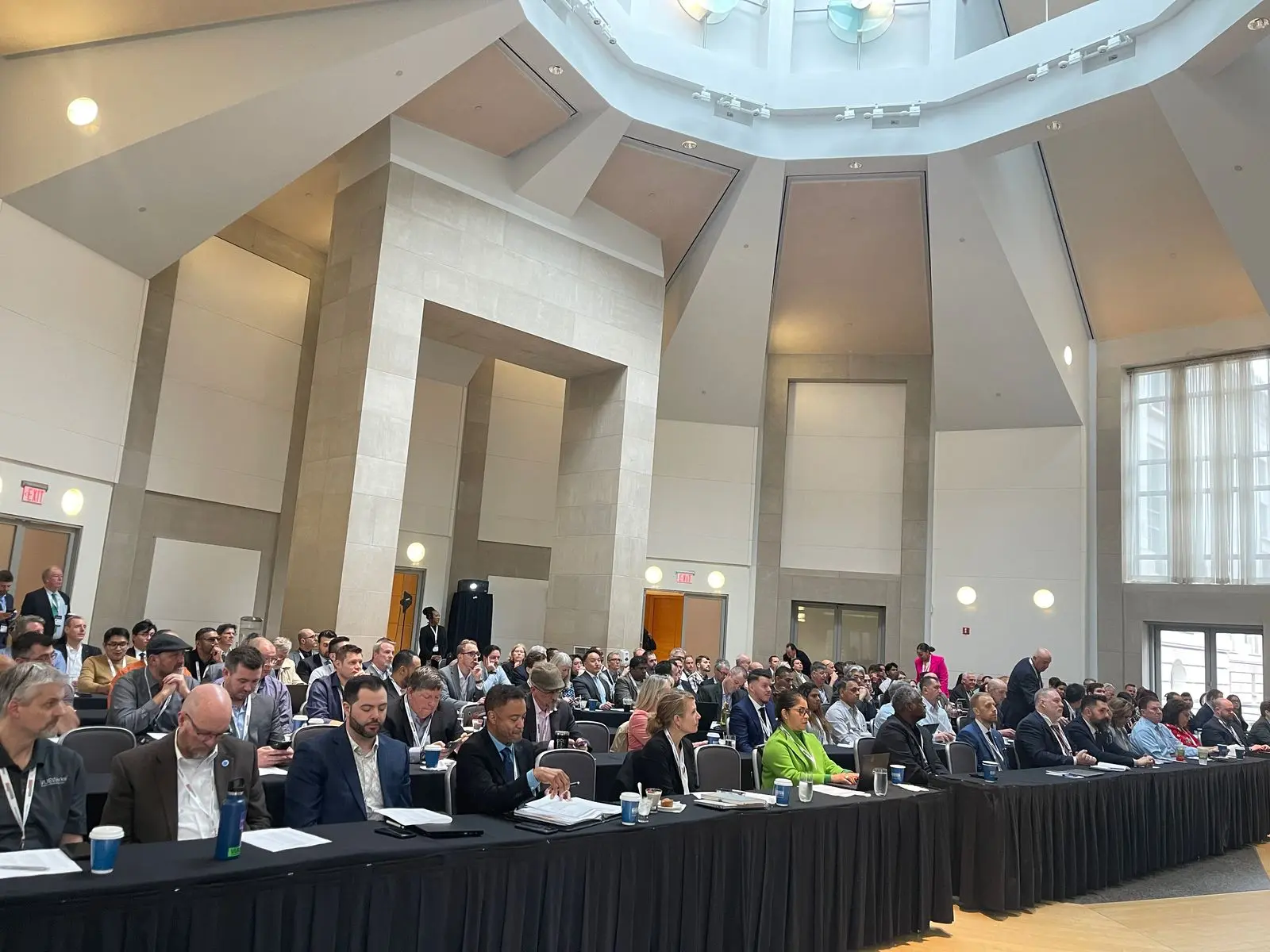
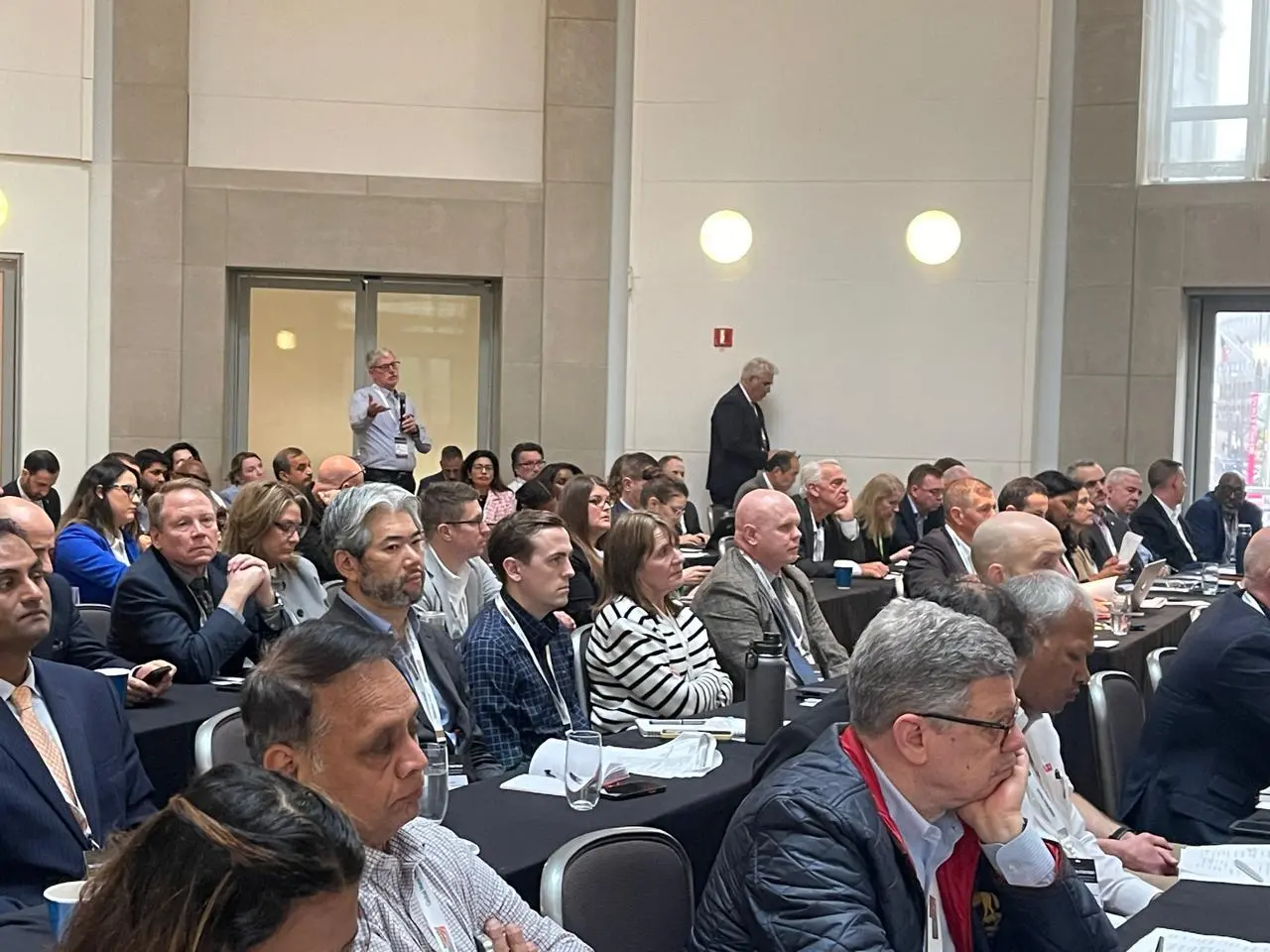
Highlights from 2026 edition




DAYS TO GO
- Days110
- Hours18
- Minutes40
- Seconds18
When & Where
March 3-4, 2027
Ronald Reagan Building and International Trade Center, Washington, D.C.
Planner Details